"One thing that does worry me is the belief by many Darwinians,
especially, that their position implies atheism. If it does, then I
think the creationists have a good point—Darwinism is getting close to
religion, or at least to implications about religion. In which case,
does it not violate the constitutional separation of church and state?
My personal response has been to write a book (Can a Darwinian Be a Christian?) arguing that Darwinism does not imply atheism—it does not imply God, either, but that is another matter."
- Michael Ruse, An Interview with Michael Ruse
Showing posts with label quote of the week. Show all posts
Showing posts with label quote of the week. Show all posts
Tuesday, November 26, 2013


Monday, October 28, 2013
Quote of the Week: Alvin Plantinga on Moral Freedom

Alvin Plantinga, The Nature of Necessity. Oxford: Clarendon Press. 1974
Monday, October 14, 2013
Quote of the Week: Aristotle on God
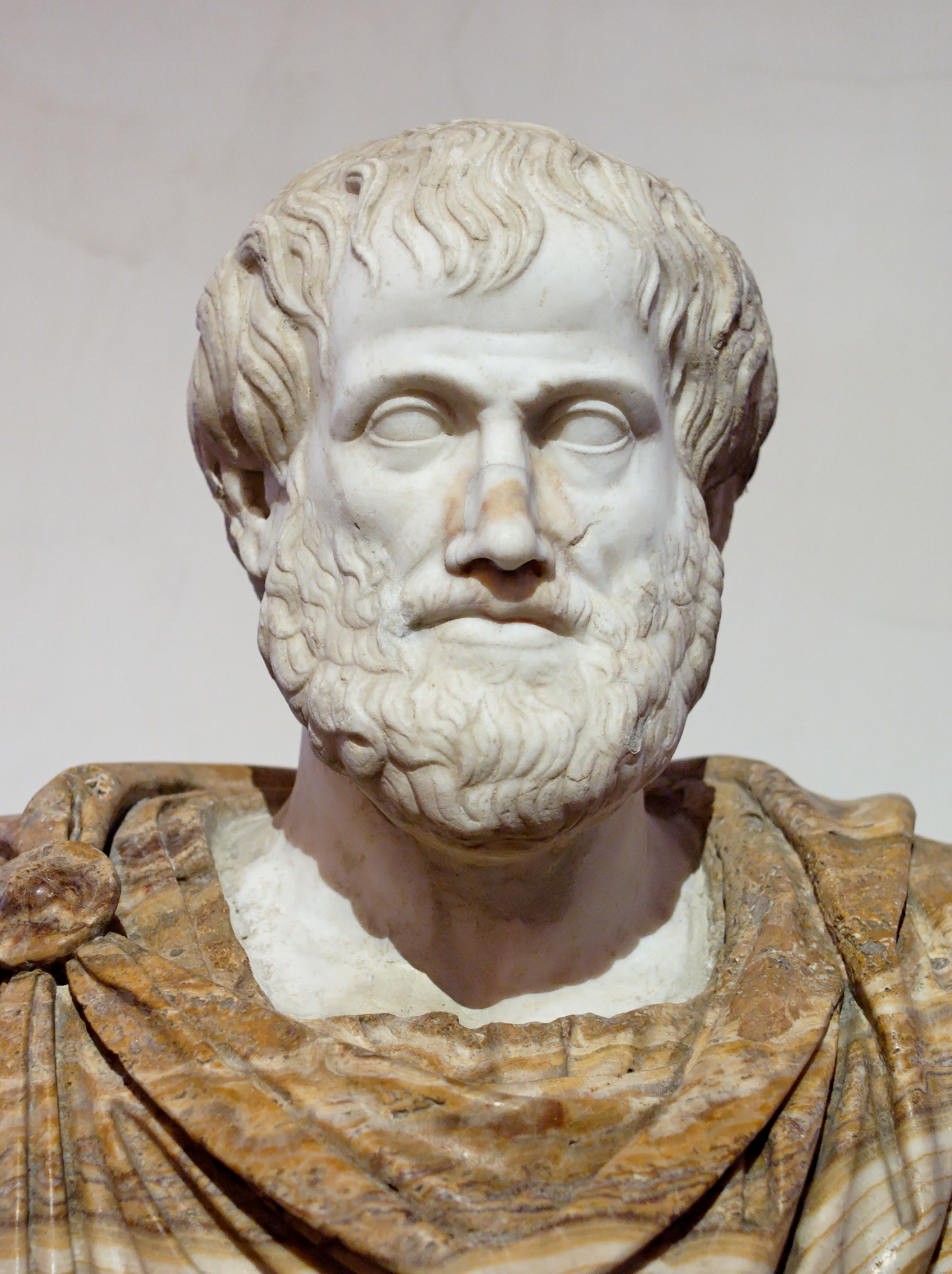
Aristotle, Metaphysics, Book XII, 1072.b24
Monday, October 7, 2013
Quote of the Week: Thomas Nagel on Mind
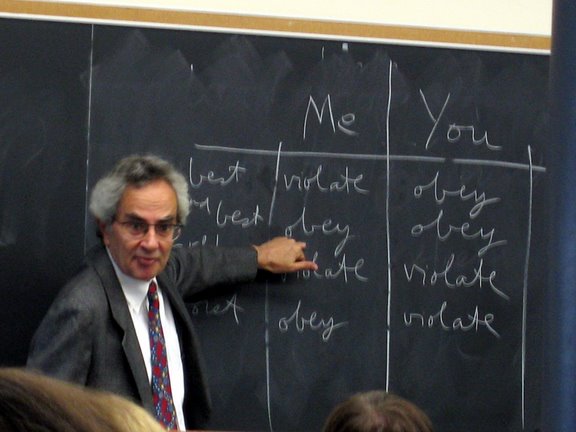
- The View from Nowhere. New York, Oxford: Oxford University Press, 1986, p. 16. ISBN: 0195056442
Wednesday, October 2, 2013
Quote of the Week: J.P. Moreland on the couch potato

- J.P. Moreland, The Lost Virtue of Happiness, 2006
Monday, September 23, 2013
Quote of the Week: Socrates on Death and Unrighteousness
I would rather die having spoken in my manner, than speak in your manner and live.
For neither in war nor yet in law ought any man use every way of
escaping death. For often in battle there is no doubt that if a man will
throw away his arms, and fall on his knees before his pursuers, he may
escape death, if a man is willing to say or do anything. The difficulty, my friends, is not in avoiding death, but in avoiding unrighteousness; for that runs deeper than death.
- Socrates, The Apology, 38e - 39a
- Socrates, The Apology, 38e - 39a
Monday, September 16, 2013
Quote of the Week: James Madison on definition of tyranny

― James Madison, Federalist Papers
Tuesday, September 10, 2013
Quote of the Week: Mortimer Adler on Schools

- Mortimer Adler, Reforming Education: No Quick Fix
Thursday, September 5, 2013
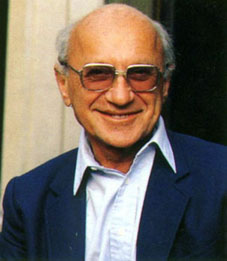
Quote of the Week: Milton Friedman on Unfairness of Life
 What kind of a world would it be if everybody was an absolute identical
duplicate of anybody else. You might as well destroy the whole world
and just keep one specimen left for a museum. In the same way, it's
unfair that Muhammad Ali should be a great fighter and should be able to
earn millions. But would it not be even more unfair to the people who
like to watch him if you said that in the pursuit of some abstract idea
of equality we're not going to let Muhammad Ali get more for one nights
fight than the lowest man on the totem pole can get for a days unskilled
work on the docks. You can do that but the result of that would be to
deny people the opportunity to watch Muhammad Ali. I doubt very much he
would be willing to subject himself to the kind of fights he's gone
through if he were to get the pay of an unskilled docker.
What kind of a world would it be if everybody was an absolute identical
duplicate of anybody else. You might as well destroy the whole world
and just keep one specimen left for a museum. In the same way, it's
unfair that Muhammad Ali should be a great fighter and should be able to
earn millions. But would it not be even more unfair to the people who
like to watch him if you said that in the pursuit of some abstract idea
of equality we're not going to let Muhammad Ali get more for one nights
fight than the lowest man on the totem pole can get for a days unskilled
work on the docks. You can do that but the result of that would be to
deny people the opportunity to watch Muhammad Ali. I doubt very much he
would be willing to subject himself to the kind of fights he's gone
through if he were to get the pay of an unskilled docker.-Milton Friedman, from Created Equal, an episode of the PBS Free to Choose television series (1980, vol. 5 transcript).
Monday, August 26, 2013
Quote of the Week: Nietzsche on Christian Morality
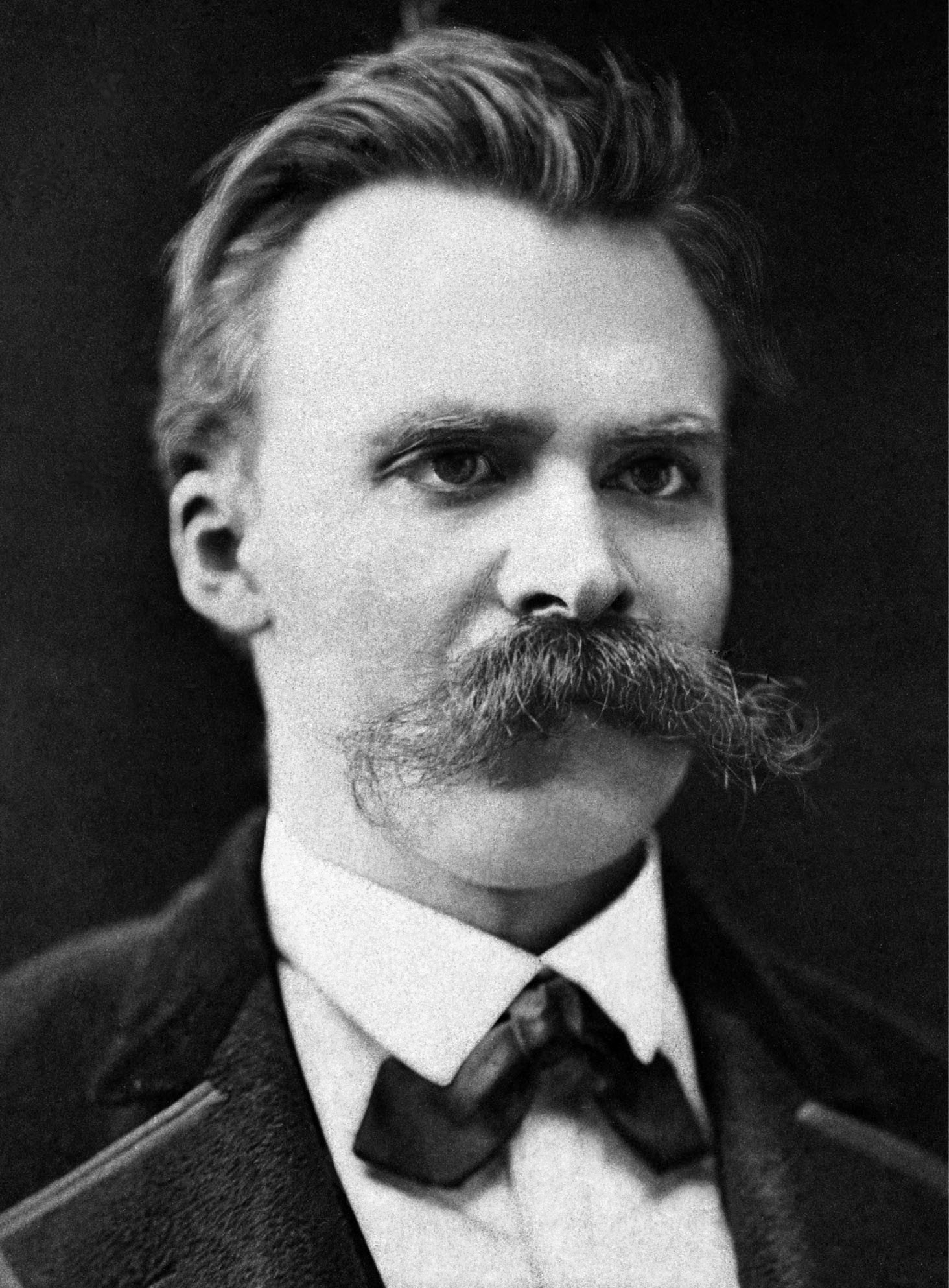
Friedrich Nietzsche, Expeditions of an Untimely Man §5.
Monday, August 19, 2013
Quote of the Week: Kelley Ross on the absurdity of life
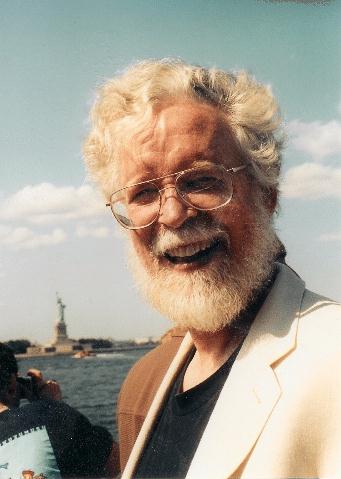
- Kelley L. Ross, in the "Existentialism" article at The Proceedings of the Friesian School
Monday, August 12, 2013
Quote of the Week: C.S. Lewis on 'death doesn't matter'

- C.S. Lewis, A Grief Observed, 1961
Monday, August 5, 2013
Quote of the week: Allan Bloom on truth
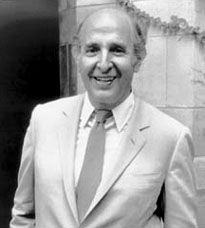
-Allan Bloom, Giants and Dwarfs, “Western Civ,” (1990) pg 18 - 19
Tuesday, July 30, 2013
Quote of the week: Wayne Grudem on the being of God

- Wayne Grudem,
Monday, July 22, 2013
Quote of the Week: Jonah Goldberg on how wealth and technology shatter primitive culture

-Jonah Goldberg, National Review
Monday, July 15, 2013
Quote of the Week: Charles Hodge on faith

- Charles Hodge
Monday, July 8, 2013
Quote of the Week: B.B. Warfield on following evidence
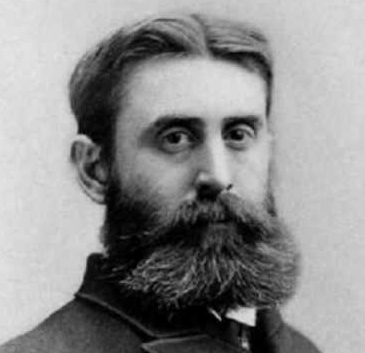
- B.B. Warfield, Selected Shorter Writings (Phillipsburg: PRR Publishing, 1970), p. 463
Monday, July 1, 2013
Quote of the Week: John Stuart Mill on Arguments and Certainty
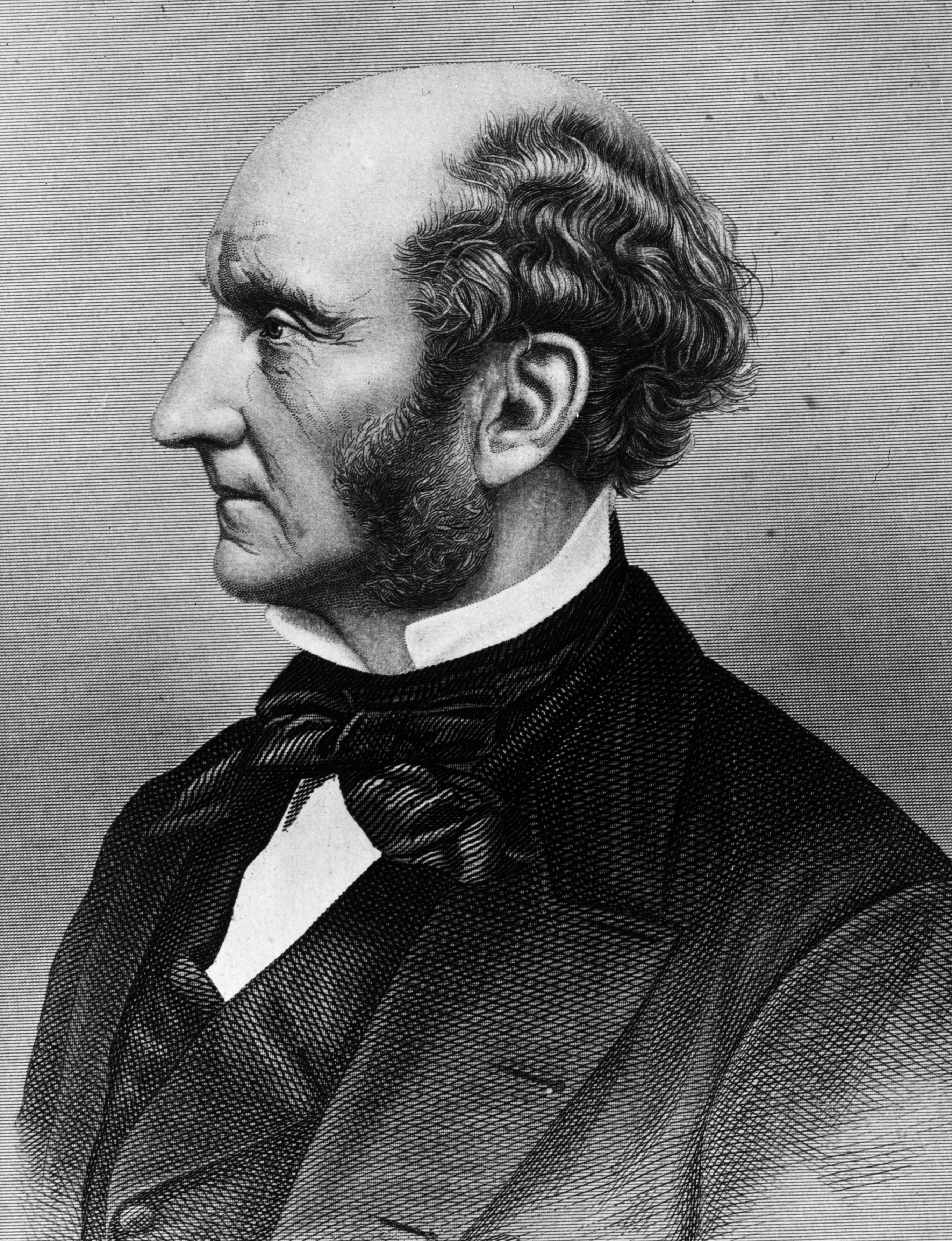 Strange it is, that men should admit the validity of the arguments
for free discussion, but object to their being "pushed to an extreme";
not seeing that unless the reasons are good for an extreme case, they
are not good for any case. Strange that they should imagine that
they are not assuming infallibility, when they acknowledge that there
should be free discussion on all subjects which can possibly be
doubtful, but think that some particular principle or doctrine should be
forbidden to be questioned because it is so certain, that is, because
they are certain that it is certain. To call any proposition certain,
while there is any one who would deny its certainty if permitted, but
who is not permitted, is to assume that we ourselves, and those who
agree with us, are the judges of certainty, and judges without hearing
the other side.
Strange it is, that men should admit the validity of the arguments
for free discussion, but object to their being "pushed to an extreme";
not seeing that unless the reasons are good for an extreme case, they
are not good for any case. Strange that they should imagine that
they are not assuming infallibility, when they acknowledge that there
should be free discussion on all subjects which can possibly be
doubtful, but think that some particular principle or doctrine should be
forbidden to be questioned because it is so certain, that is, because
they are certain that it is certain. To call any proposition certain,
while there is any one who would deny its certainty if permitted, but
who is not permitted, is to assume that we ourselves, and those who
agree with us, are the judges of certainty, and judges without hearing
the other side.-John Stuart Mill, On Liberty, 1859, pg 29
Thursday, June 27, 2013
Quote of the Week: Allan Bloom on the role of the family

-Allan Bloom, The Closing of the American Mind, p. 57, 58
Tuesday, June 18, 2013
Quote of the Week: J.P. Moreland on God and freedom

― J.P. Moreland, Love your God with all your mind: the role of reason in the life of the soul
Subscribe to:
Posts (Atom)