While it is good that Ruse and Wilson acknowledge this conclusion and
don’t try to smuggle in an objective morality in their atheistic
worldview, I wonder if they have contemplated the moral ramifications of
their position. On their worldview, we are merely evolved brutes whose
very existence is derived from the naturalistic laws of evolution,
including random mutation and survival of the fittest in which the
strong survive and the weak die off (and sometimes the strong kill off
the weak in their struggle for survival). We are simply the byproducts
of a “nature red in tooth and claw,” to quote the poet Tennyson. Is it
any wonder that the atheistic regimes of Mao Zedong, Joseph Stalin,
Vladimir Lenin, and Pol Pot—devoid as they were of any significant
Christian influence—were responsible for the mass murder of over 100
million people in their quest for dominance, more lives destroyed than
in all of the religious wars in the history of the human race? These
regimes were not discordant with an atheistic basis of morality; they
were consistent with it.
Christopher Hitchens and his ilk are
wrong: Christian morality, rooted as it is in a transcendent, personal,
omni-benevolent God, has truly been good for the world. Heaven help us
if an atheistic morality, rooted in evolutionary theory or otherwise,
should ever become the guiding moral force on a global scale.
- Chad Meister, Atheists and the Quest for Objective Morality
Showing posts with label philosophy. Show all posts
Showing posts with label philosophy. Show all posts
Tuesday, November 19, 2013


Monday, October 28, 2013
Quote of the Week: Alvin Plantinga on Moral Freedom

Alvin Plantinga, The Nature of Necessity. Oxford: Clarendon Press. 1974
Monday, October 14, 2013
Quote of the Week: Aristotle on God
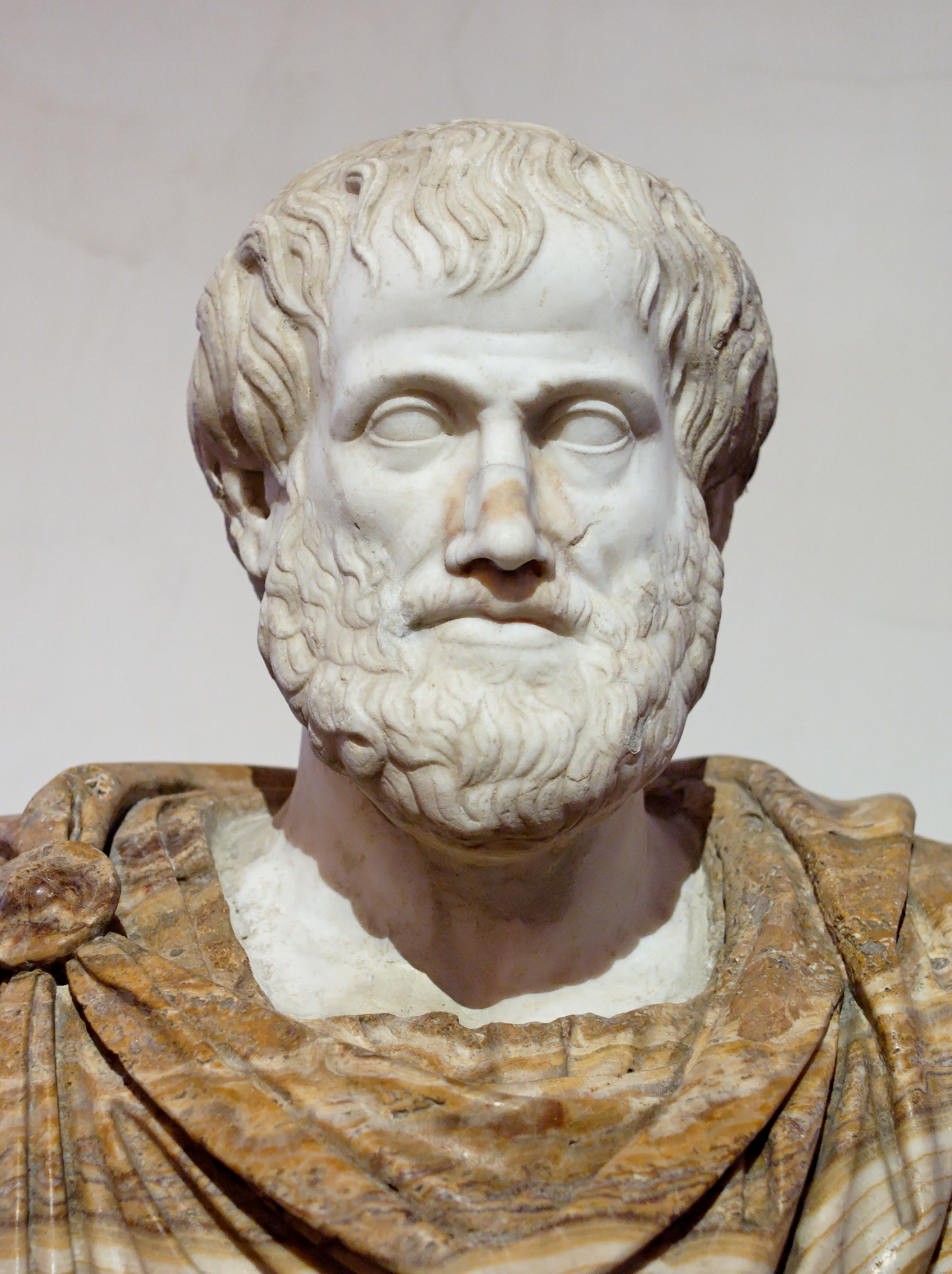
Aristotle, Metaphysics, Book XII, 1072.b24
Monday, October 7, 2013
Quote of the Week: Thomas Nagel on Mind
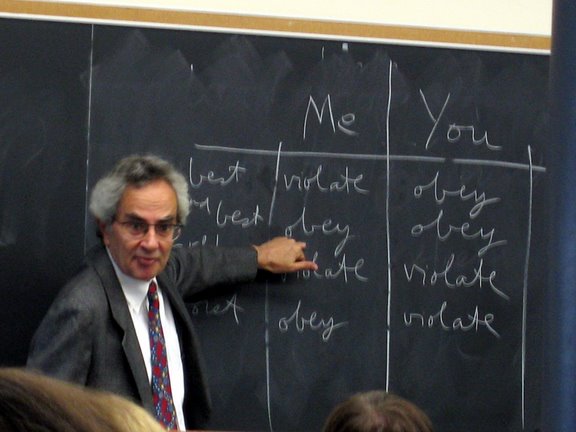
- The View from Nowhere. New York, Oxford: Oxford University Press, 1986, p. 16. ISBN: 0195056442
Wednesday, October 2, 2013
Quote of the Week: J.P. Moreland on the couch potato

- J.P. Moreland, The Lost Virtue of Happiness, 2006
Monday, September 23, 2013
Quote of the Week: Socrates on Death and Unrighteousness
I would rather die having spoken in my manner, than speak in your manner and live.
For neither in war nor yet in law ought any man use every way of
escaping death. For often in battle there is no doubt that if a man will
throw away his arms, and fall on his knees before his pursuers, he may
escape death, if a man is willing to say or do anything. The difficulty, my friends, is not in avoiding death, but in avoiding unrighteousness; for that runs deeper than death.
- Socrates, The Apology, 38e - 39a
- Socrates, The Apology, 38e - 39a
Thursday, September 5, 2013
Quote of the Week: Milton Friedman on Unfairness of Life
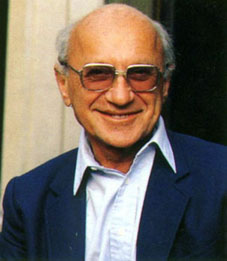 What kind of a world would it be if everybody was an absolute identical
duplicate of anybody else. You might as well destroy the whole world
and just keep one specimen left for a museum. In the same way, it's
unfair that Muhammad Ali should be a great fighter and should be able to
earn millions. But would it not be even more unfair to the people who
like to watch him if you said that in the pursuit of some abstract idea
of equality we're not going to let Muhammad Ali get more for one nights
fight than the lowest man on the totem pole can get for a days unskilled
work on the docks. You can do that but the result of that would be to
deny people the opportunity to watch Muhammad Ali. I doubt very much he
would be willing to subject himself to the kind of fights he's gone
through if he were to get the pay of an unskilled docker.
What kind of a world would it be if everybody was an absolute identical
duplicate of anybody else. You might as well destroy the whole world
and just keep one specimen left for a museum. In the same way, it's
unfair that Muhammad Ali should be a great fighter and should be able to
earn millions. But would it not be even more unfair to the people who
like to watch him if you said that in the pursuit of some abstract idea
of equality we're not going to let Muhammad Ali get more for one nights
fight than the lowest man on the totem pole can get for a days unskilled
work on the docks. You can do that but the result of that would be to
deny people the opportunity to watch Muhammad Ali. I doubt very much he
would be willing to subject himself to the kind of fights he's gone
through if he were to get the pay of an unskilled docker.-Milton Friedman, from Created Equal, an episode of the PBS Free to Choose television series (1980, vol. 5 transcript).
Monday, August 26, 2013
Quote of the Week: Nietzsche on Christian Morality
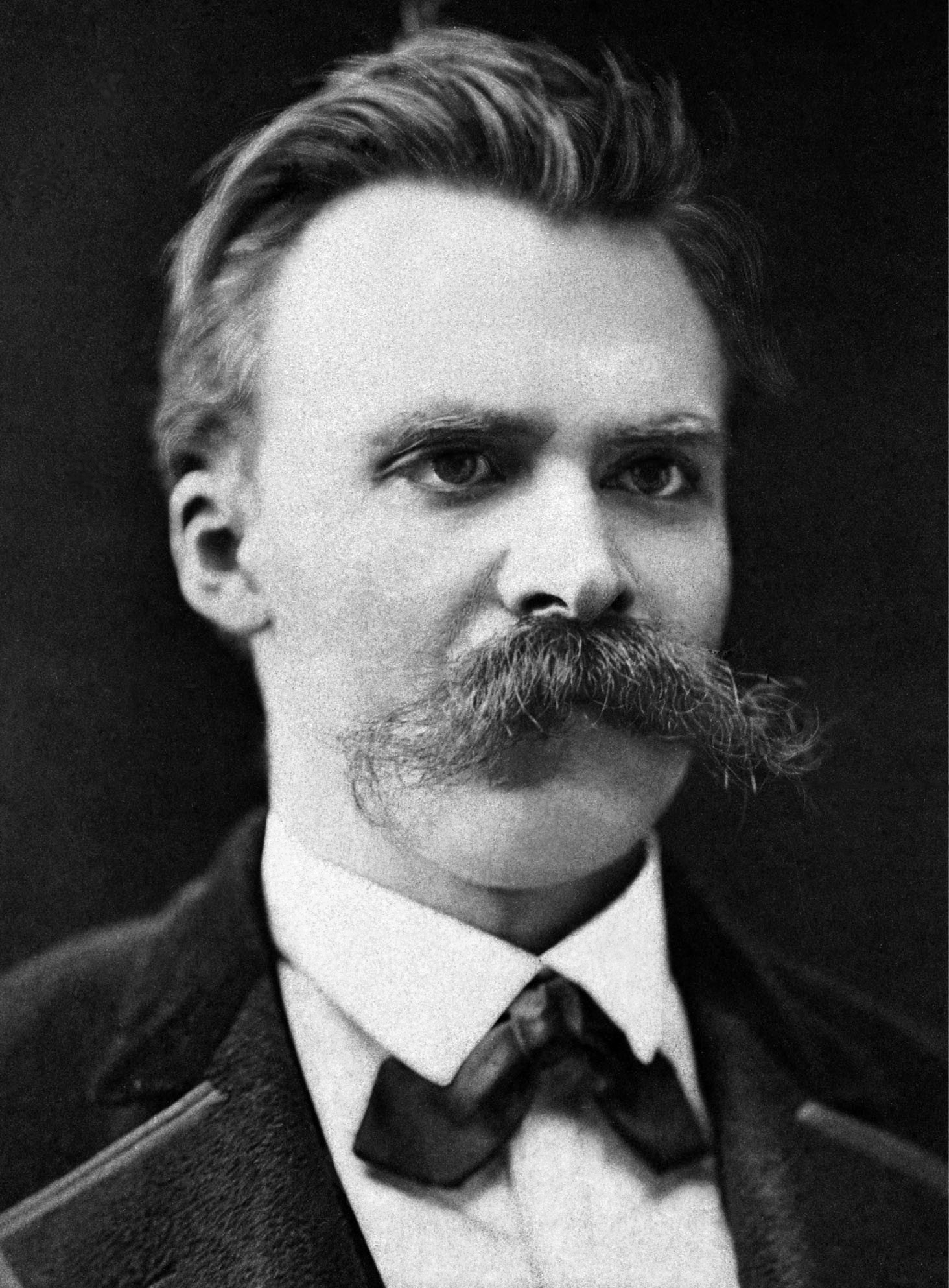
Friedrich Nietzsche, Expeditions of an Untimely Man §5.
Monday, August 19, 2013
Quote of the Week: Kelley Ross on the absurdity of life
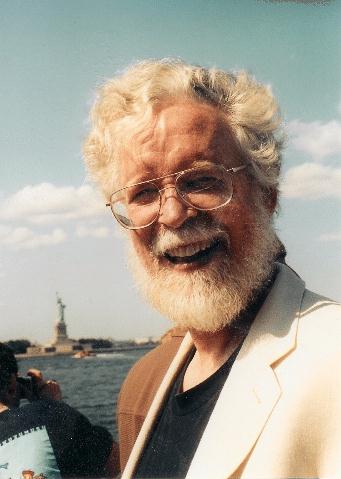
- Kelley L. Ross, in the "Existentialism" article at The Proceedings of the Friesian School
Monday, August 12, 2013
Quote of the Week: C.S. Lewis on 'death doesn't matter'

- C.S. Lewis, A Grief Observed, 1961
Thursday, August 8, 2013
Krauss is a goon
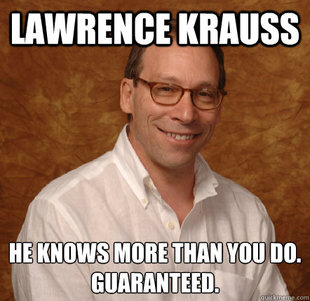
Yes he is. Krauss may be amazing in his field, his daily work, etc. but he can be and is a goon. I'm saying this because of what I've read of his actions during his recent debate with William Lane Craig. On Craig's facebook page he wrote:
Last night's "dialogue" with Krauss was like gladitorial combat! He even had a buzzer which he was pushing at various times during my speech to register his disapproval and try to disrupt my speaking!Let me imitate the Miz for a bit and say the following to Krauss: really? Really? Really? If what Craig said is true that's what I'm left thinking about Krauss. Really Krauss? Really? Krauss has reduced seeking truth in debate to an episode of "America's got talent." Is this how man decides truth now? He decides something is true with a touch of a buzzer? That was easy. Finding truth is easy when truth is whatever lines up with your personal opinion. This reminds me of the thinking of a toddler; no offense to you toddlers out there.
If Krauss did in fact do what Craig has said then I'm very disappointed. I cannot take Krauss seriously when he speaks of his reasonableness, his love of facts, and such. How can I? Krauss hasn't shown, to me, that he is serious about truth, that he is serious about finding the answers to life's "permanent questions." It is hard for me to believe that Krauss lives a serious life. What is a serious life? Allan Bloom wrote that, "A serious life means being fully aware of the alternatives, thinking about them with all the intensity one brings to bear on life-and-death questions, in full recognition that every choice is a great risk with necessary consequences that are hard to bear."1 A serious inquiry of the truth will not lead to acting like a goon in a debate. Krauss is an embarrassment to atheism and should not be taken seriously in matters of ultimate truths. There are plenty of respectable atheists out there who are serious about finding answers to life's biggest questions and those men should be the ones representing atheism in public debates instead of goofballs like Krauss. Of course, charisma, jokes, and bad philosophy are the qualifications for a good representative for atheism today right? Those things are the values that people want in their "hero" to go against theists in public debate. What a shame. I'm not saying theism is absent of such public defenders (because they're out there...) but this arrogant, intolerant, close-minded, childish behavior is more visible on the "new atheism" or "new-new atheism" side of the debate in my opinion.
Never fear though. There are quite a few debates worth your time if you are serious about finding answers to such questions on life. There are too many to list here in this post. I will list some of them though.
William Lane Craig vs Dacey - Also notice in this post, WK lists two other great debates I recommend: Craig vs Millican and Craig vs Walter Sinnot-Armstrong. Since you can find those debates in this one link I won't list them here.
Dinesh D'Souza vs Michael Shermer Some might disagree with me on this, but Shermer is definitely a respectable guy in debate and so is D'Souza. I think this is a great debate. It's one that definitely opened my mind to checking out Christianity.
Source:
1. Allan Bloom, The Closing of the American Mind
Monday, August 5, 2013
Quote of the week: Allan Bloom on truth
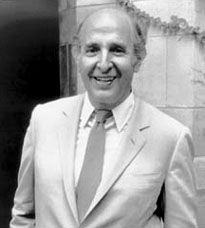
-Allan Bloom, Giants and Dwarfs, “Western Civ,” (1990) pg 18 - 19
Friday, July 12, 2013

Monday, July 8, 2013
Quote of the Week: B.B. Warfield on following evidence
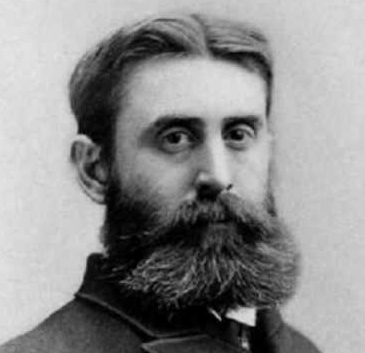
- B.B. Warfield, Selected Shorter Writings (Phillipsburg: PRR Publishing, 1970), p. 463
Monday, July 1, 2013
Quote of the Week: John Stuart Mill on Arguments and Certainty
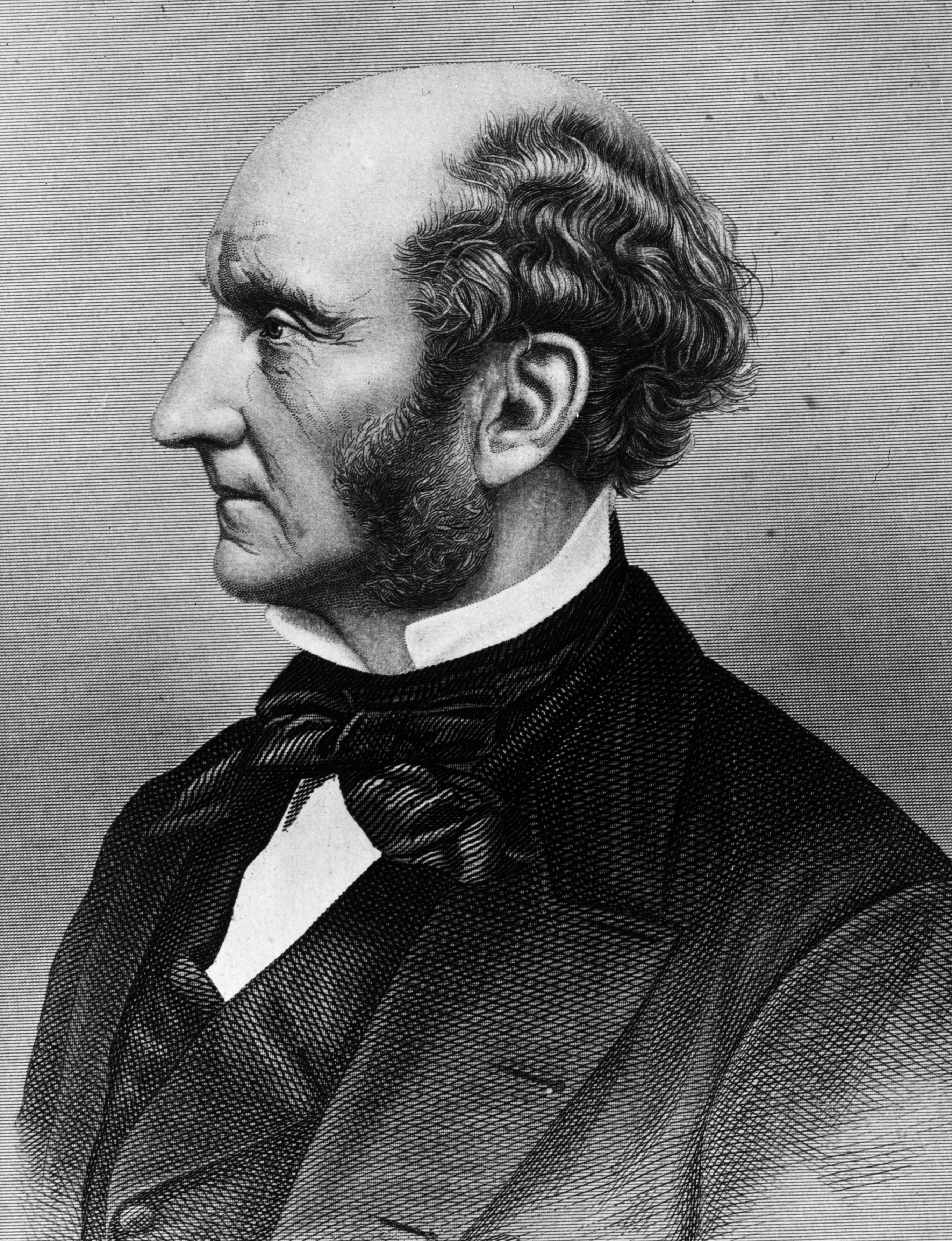 Strange it is, that men should admit the validity of the arguments
for free discussion, but object to their being "pushed to an extreme";
not seeing that unless the reasons are good for an extreme case, they
are not good for any case. Strange that they should imagine that
they are not assuming infallibility, when they acknowledge that there
should be free discussion on all subjects which can possibly be
doubtful, but think that some particular principle or doctrine should be
forbidden to be questioned because it is so certain, that is, because
they are certain that it is certain. To call any proposition certain,
while there is any one who would deny its certainty if permitted, but
who is not permitted, is to assume that we ourselves, and those who
agree with us, are the judges of certainty, and judges without hearing
the other side.
Strange it is, that men should admit the validity of the arguments
for free discussion, but object to their being "pushed to an extreme";
not seeing that unless the reasons are good for an extreme case, they
are not good for any case. Strange that they should imagine that
they are not assuming infallibility, when they acknowledge that there
should be free discussion on all subjects which can possibly be
doubtful, but think that some particular principle or doctrine should be
forbidden to be questioned because it is so certain, that is, because
they are certain that it is certain. To call any proposition certain,
while there is any one who would deny its certainty if permitted, but
who is not permitted, is to assume that we ourselves, and those who
agree with us, are the judges of certainty, and judges without hearing
the other side.-John Stuart Mill, On Liberty, 1859, pg 29
Tuesday, June 18, 2013
Quote of the Week: J.P. Moreland on God and freedom

― J.P. Moreland, Love your God with all your mind: the role of reason in the life of the soul
Friday, June 14, 2013

Friday, June 7, 2013
Friday Mentionables: Properly Basic Beliefs, Darwinian Morality, Open Theism, and Original Sin

Is sin an unintended consequence of creation? part1 and part 2 A View From The Right
Is belief in God properly basic? Alvin Plantinga
Foundationalist Theories of epistemic justification Standford Encyclopedia of Philosophy
What is open theism Greg Boyd ReKnew
A Darwinian Approach to Moral Philosophy Michael Ruse
Monday, May 20, 2013
Quote of the Week: Allan Bloom on Alternatives
- Allan Bloom, The Closing of the American Mind
Friday, May 17, 2013
Friday Mentionables: Original Sin, Morality, and Religion

Great reading this week. I hope you enjoy the links and learn from them like I did. Good stuff.
Original Sin and Libertarian Free Will - Sententias blog
Leaping from Frogs to Morality - Greg Koukl
The Indispensability of Theological Meta-Ehtical Foundations of Morality - Bill Craig
Nietzsche's Moral and Political Philosophy - Stanford Encyclopedia of Philosophy
Mill's Moral and Political Philosophy - Stanford Encyclopedia of Philosophy
Explaining the Universal Phenomenon of Religion - R.C. Sproul
Subscribe to:
Posts (Atom)